
What Does Ground Preparation for Turf Really Include?
The turf is only the visible part of a new lawn
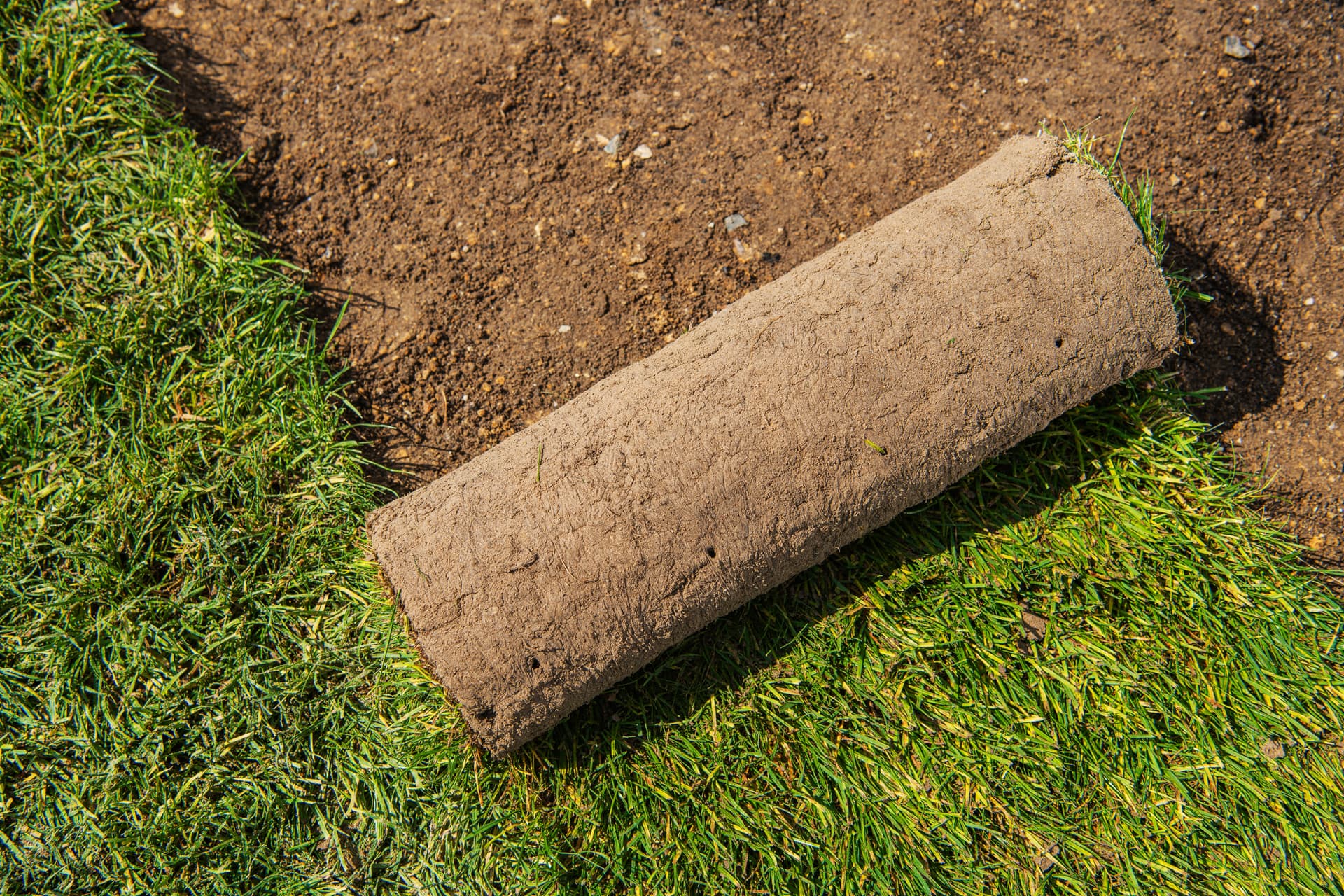
A roll of turf can look healthy when it arrives, but its long-term performance depends on what happens underneath it. If the soil is compacted, uneven, poorly drained or full of old roots, the turf has to establish in conditions that are already working against it.
That is why ground preparation is not simply a case of scraping the surface and laying grass. At Gem Gardening And Landscaping, we treat preparation as the part of the installation that determines whether the lawn roots evenly, drains properly and remains practical to use.
If you want the short overview of our Turf Laying service, you can find it on our service page. Here, we are looking at what the preparation process actually involves and why each stage matters.
What happens before the turf arrives
1. We assess the existing ground
The first step is understanding what is already there. A tired lawn may have thin grass on the surface, but the underlying problem could be compacted soil, poor levels, persistent weeds, rubble from previous building work or water that has nowhere to go.
We consider the condition of the soil, the slope of the garden, access for materials and how you intend to use the lawn. A small lawn outside a Victorian terrace in Bicester may present very different challenges from an open new-build plot. Narrow access, stepped gardens and changes in level can all affect how preparation is carried out.
This assessment prevents the common mistake of treating every lawn as a shallow, uniform surface.
2. We remove unwanted growth and unsuitable material
Old turf, weeds and loose organic growth need to be removed rather than buried beneath the new lawn. Leaving roots or persistent weeds in place creates competition below the surface and can allow problems to push back through the new turf.
We also look for material that does not belong in a lawn bed, such as rubble, excessive stones or debris left from earlier landscaping work. The aim is not to remove every small stone from the soil, but to create a consistent rooting layer that can be shaped and consolidated properly.
3. We correct levels before laying
A lawn needs more than a surface that looks roughly flat. Low spots collect water, high points leave turf sitting shallowly, and abrupt changes in level can make mowing awkward or create trip hazards around paths and patios.
We adjust the levels so the finished lawn works with the surrounding garden. That includes considering paving, drainage points, borders, fencing and thresholds near the house. The final surface should not be judged in isolation. It needs to meet adjoining areas cleanly and direct surface water in a sensible way.
4. We assess and improve the soil
Healthy turf needs suitable soil for its roots. Soil that is heavily compacted restricts root growth and reduces the movement of air and water. Very light or poor soil may fail to hold enough moisture or nutrients for the grass to establish evenly.
Depending on the ground, preparation may involve conditioning the existing topsoil or introducing suitable topsoil or sand. The correct approach depends on what is already present and what the lawn needs to support. Adding material without addressing the underlying issue can simply create a better-looking layer over a continuing problem.
5. We deal with drainage problems before they are hidden
Persistent surface water is a preparation issue, not an aftercare issue. If water is already sitting on the proposed lawn area, laying turf over it will not solve the cause. The roots may remain saturated, the surface can become soft, and use of the lawn can lead to ruts and compaction.
Where the site needs it, we can recommend discreet drainage or other ways to reduce surface water before the turf is installed. This is particularly important where the garden sits below surrounding ground, meets paving that water cannot pass through or has heavy soil that drains slowly.
6. We create a firm, even laying bed
Once the soil and levels are right, we make the surface firm without making it sealed or excessively hard. This helps the turf sit closely against the soil, so its roots can grow down into it instead of drying out over dips or gaps.
The final preparation is checked for smoothness, consistency and levels. Small imperfections that seem insignificant before laying can become obvious once the turf is down, especially when mowing or when water follows the lowest points.
What you should expect to see on installation day
Proper preparation can look slower than simply rolling out grass because much of the important work happens before the finished lawn is visible. You may see old growth being removed, soil moved and redistributed, levels adjusted, materials introduced, and the surface worked several times before the turf is brought into position.
That sequence is deliberate. Laying turf too early can bury the conditions that need correcting, leaving the new lawn to inherit the old problem. Once the bed is ready, the turf can be laid with close joints and a consistent finish, then bedded into the prepared soil.
For gardens in Bicester and the surrounding areas, we tailor the preparation to the property rather than applying the same method to every lawn. If you are planning a new lawn or restoring a tired one, contact Gem Gardening And Landscaping for a site assessment and clear quotation based on the ground, access and scope of work.
